OVERVIEW
The solution replaces the traditional concept of separate production lines for each door with coordinated and shared manufacturing architecture.
Solution
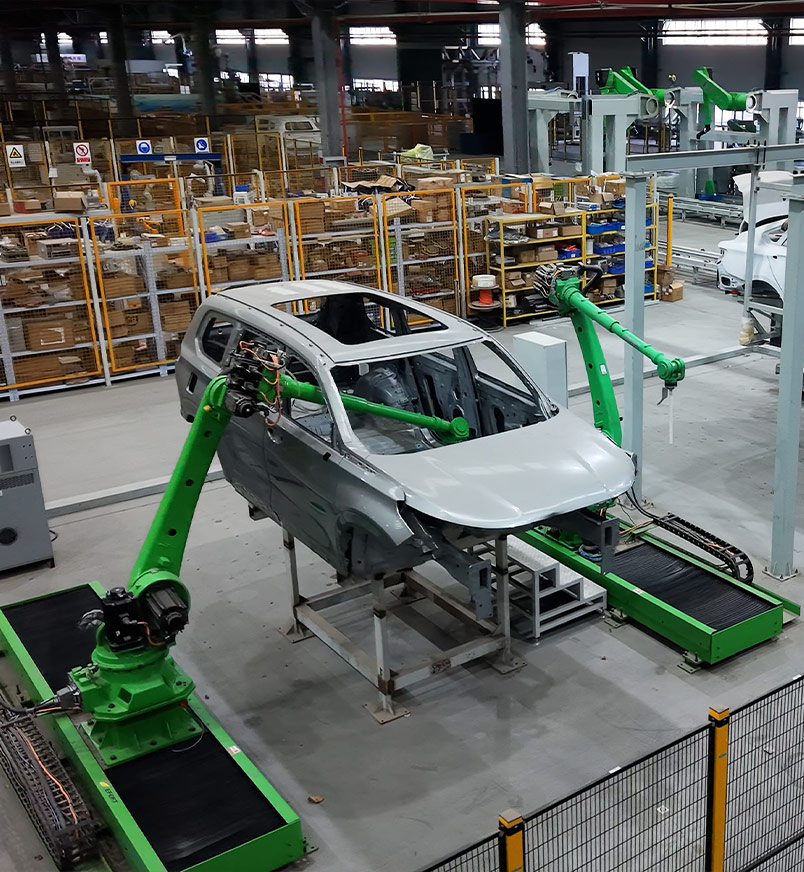
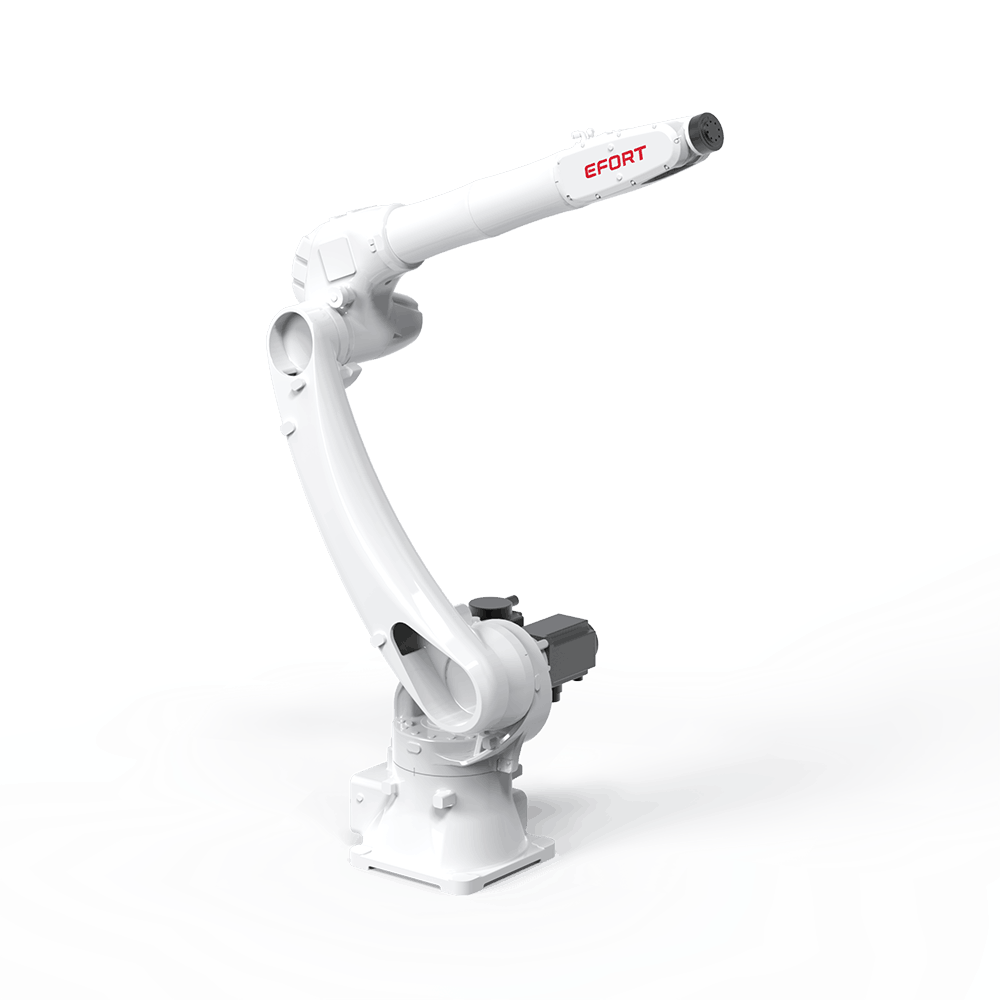
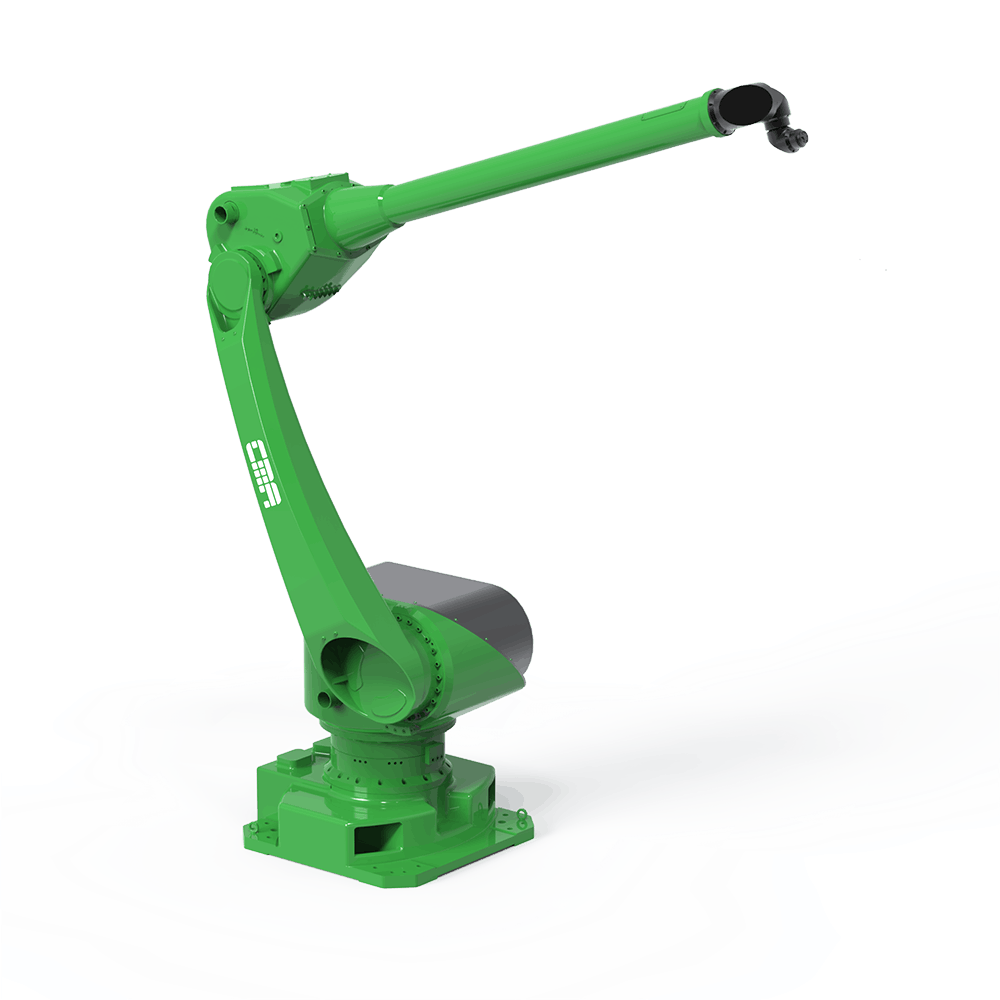
Handling robots operate on one side of the line, while welding robots operate on the opposite side.
This arrangement enables the available robot cycle time to be used more effectively and reduces non-value-added waiting between handling and welding operations.
Right-hand and left-hand production share robots, welding guns, sealing systems, integrated machines and operators.
Combining both door variants within one line reduces duplicated equipment and creates a more compact and investment-efficient production system.
The shared process architecture supports high production flexibility while maintaining automated welding, sealing and handling operations.
- Right-hand and left-hand doors produced on the same line;
- Shared welding and handling resources;
- Shared sealing systems and integrated machines;
- Improved robot-cycle utilization;
- Reduced duplicated equipment;
- Reduced production footprint;
- Lower capital investment;
- Improved production flexibility.
- Robots: reduction of approximately 30%;
- Integrated machines: reduction of approximately 50%;
- Sealing systems: reduction of approximately 50%;
- Manpower: reduction of approximately 30%;
- Occupied area: reduction of approximately 30%.
- Common line for right-hand and left-hand products;
- Handling robots positioned on one side;
- Welding robots positioned on the opposite side;
- Shared joining and sealing equipment;
- Coordinated production sequence;
- Integrated component handling.
Automotive door assembly and welding lines require shared equipment, compact layouts and flexible right-hand and left-hand production.